FAQS
Below are some of the most frequently asked questions patients have about dentistry and oral health issues. If you have any other questions, or would like to schedule an appointment, we would love to hear from you.
Click on a question below to see the answer.
Do I Need a Referral to Schedule an Appointment?
Yes, we do require a referral from your general dentist or healthcare provider before scheduling a consultation.
This helps ensure that an evaluation and treatment plan have already been started, allowing us to make the most of your visit and avoid unnecessary delays in care.
If you have questions about the referral process or need help obtaining one, our team is happy to assist.
Will I Need X-Rays Before Scheduling an Appointment?
Most surgical procedures require current x-rays.
In many cases, your referring office will send these to us electronically. If not, you can request that they be forwarded to our office prior to your appointment. If needed, our team is also happy to assist in obtaining them.
If additional imaging is necessary, we can take it here in the office at the time of your visit.
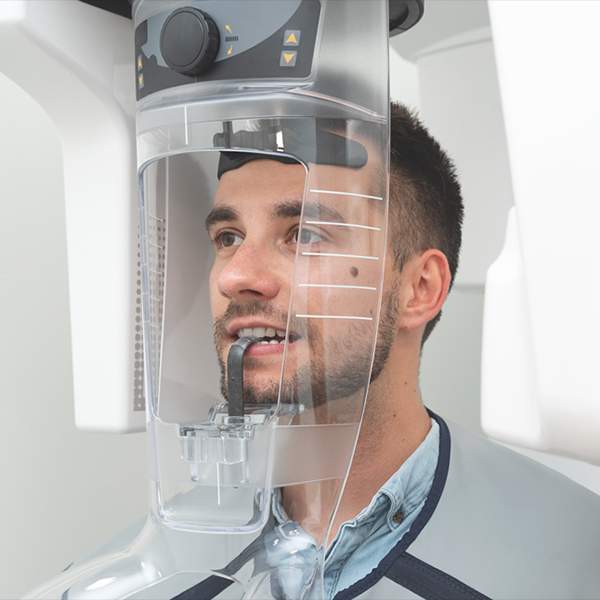
We also have advanced 3D imaging (CBCT) available, which is used when needed to assist with diagnosis and treatment planning, including dental implants.
Will I Need Someone to Drive Me Home After Surgery?
If your procedure is completed using local anesthesia or nitrous oxide (laughing gas), you will be able to drive yourself to and from your appointment.
If you are scheduled for IV anesthesia (going to sleep), you will need a responsible adult to remain in the office during your procedure, drive you home, and stay with you for several hours afterward.
For your safety, you should not drive or operate any machinery for 24 hours after receiving IV anesthesia.
May I Eat Before My Surgery?
If you are scheduled for IV anesthesia (going to sleep), you should have nothing to eat or drink for a minimum of 8 hours prior to your appointment. You may have a small sip of water to take any prescribed medications as directed by your physician or Dr. Scott Tate.
If your procedure will be completed using local anesthesia or nitrous oxide (laughing gas), there are no restrictions on eating or drinking.
I Am Currently Taking Medications—Should I Continue Them Before Surgery?
This will be reviewed with you at your consultation, as recommendations can vary depending on your medical history, the procedure, and the specific medications you are taking.
If you have questions prior to your appointment, please feel free to call our office and we will be happy to assist you.
Why Do I Need a Consultation/Evaluation?
A consultation is an important first step in your care. It allows us to review your referral, evaluate your condition, and create a treatment plan that is appropriate for you.
During this visit, Dr. Scott Tate will:
- Review your medical history, medications, and any x-rays
- Perform an evaluation and confirm your diagnosis
- Discuss your treatment options and answer any questions
- Review anesthesia options, if applicable
This visit also gives our team the opportunity to review your insurance benefits and provide an estimate of your out-of-pocket costs before scheduling treatment. Some insurance plans may require preauthorization prior to surgery.
In most cases, treatment is scheduled for a separate visit to allow for proper planning.
Our goal is to make sure you feel informed, prepared, and confident before moving forward with any procedure.
What Is the Most Common Post-Operative Problem?
The most common post-operative concern after extractions is irritation or delayed healing, which can occur if food and debris collect in the surgical area.
For many extraction procedures, patients are provided with a curved tip syringe along with instructions on how to gently keep the area clean during healing.
We understand this can feel uncomfortable at first, but keeping the area clean is an important part of the healing process and can significantly reduce the risk of complications.
Not all procedures require a syringe, and your post-operative instructions will be specific to your treatment.
If you have any questions or concerns during your recovery, our team is always available to help.
What Is a Dry Socket and How Can I Prevent One?
A dry socket (also called alveolar osteitis) can occur after a tooth extraction if the blood clot that forms in the socket is disrupted or does not develop properly. This clot is an important part of the normal healing process.
Dry sockets are not common, but they can cause increased discomfort a few days after surgery.
To help reduce your risk:
- Avoid rinsing, spitting, or using straws for 7 days
- Do not smoke or use tobacco products, as this can delay healing
- Follow all post-operative instructions provided by our office
If a dry socket does occur, it is treatable. We can place a medicated dressing in the area to help relieve discomfort and support healing.
If you experience increased pain a few days after your procedure or have any concerns, please contact our office so we can help.
How Long Will I Need to Take Pain Medication?
Most patients will need pain medication for the first few days after surgery, with discomfort gradually improving over time.
Our typical post-operative recommendations include:
- Ibuprofen 800 mg (if prescribed) taken three times per day for up to 5 days
- Tylenol (acetaminophen) 325 mg or 500 mg as needed for additional pain control
- Do not exceed 3000 mg of Tylenol in a 24-hour period
- If Norco is prescribed, it should be used for more severe pain and can be taken in place of Tylenol
- If a full dose is not well tolerated, it may be cut in half
Pain and swelling typically peak around days 3-4 after surgery and should steadily improve after that.
If your discomfort is not improving or worsens after 4-5 days, please contact our office so we can evaluate and assist you.
What Is the Medrol Dose Pak and When Do I Start It?
The Medrol Dose Pak is a steroid used for post-operative swelling. You should start it as prescribed the day after your surgery.